Krishna Janmashtami 2026 is celebrated onFriday, September 4, 2026
Krishna Janmashtami 2026 will be celebrated with great devotion across South India. Known by different names and observed through different regional traditions, the festival marks the birth of Lord Krishna, one of the most beloved deities in Hinduism. Temples, homes and communities across Karnataka, Kerala, Tamil Nadu, Andhra Pradesh and Telangana celebrate the occasion with prayers, devotional songs, traditional food, decorations and cultural programs.
Although the basic purpose of Janmashtami remains the same, each South Indian state has its own unique customs and ways of celebrating the festival.
Krishna Janmashtami in Karnataka
Karnataka has a strong tradition of Krishna worship, and Janmashtami is celebrated with great enthusiasm in many parts of the state.
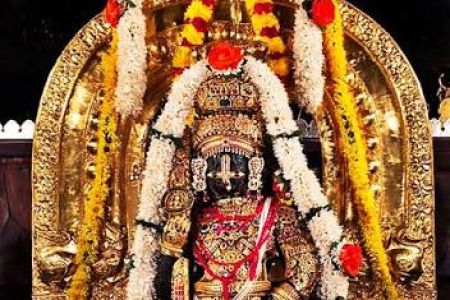
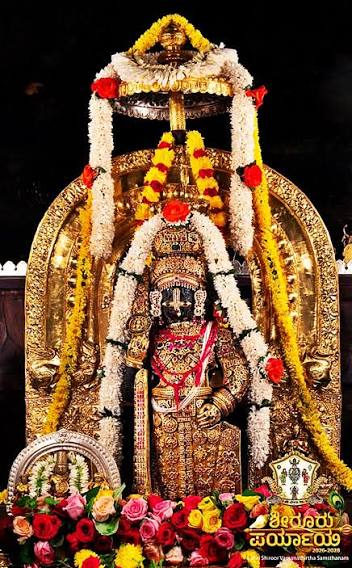
Udupi is particularly important because of the famous Sri Krishna Temple and its association with the Madhwa tradition. During Janmashtami, devotees participate in special prayers, bhajans and temple rituals.
In many Karnataka households, children are dressed as little Krishna and Radha. Homes may be decorated with flowers, lamps and small footprints representing baby Krishna. Traditional sweets and savoury dishes are also prepared as offerings.
In coastal Karnataka, Krishna Janmashtami is closely connected with local religious and cultural traditions. Temples and communities organize devotional programs that bring families together.
Krishna Janmashtami in Kerala
In Kerala, Janmashtami is popularly known as Ashtami Rohini in many communities. The festival is particularly associated with the Rohini star and Krishna's birth.
Temples dedicated to Lord Krishna conduct special prayers and celebrations. One of the most famous places associated with Krishna worship is Guruvayur, where devotees gather throughout the year and especially during important Krishna festivals.
A beautiful Kerala tradition involves children dressed as Krishna. Families may decorate their homes and create small Krishna footprints using rice flour or other materials. The footprints symbolize the arrival of young Krishna into the home.
Devotional songs and temple rituals form an important part of the celebrations.
Krishna Janmashtami in Tamil Nadu
In Tamil Nadu, Krishna Janmashtami is widely known as Gokulashtami or Krishna Jayanthi.
One of the most recognizable traditions is drawing tiny Krishna footprints from the entrance of the house toward the prayer area. These footprints symbolize baby Krishna entering the home.
Families prepare special dishes as offerings. Traditional preparations can include seedai, murukku, aval and butter, along with sweets and other homemade delicacies.
Homes are cleaned and decorated before the festival. A small Krishna idol or image may be placed in a decorated area, and families perform prayers in the evening or according to their traditional customs.
Children dressed as Krishna are another common and charming part of Krishna Jayanthi celebrations in Tamil Nadu.
Krishna Janmashtami in Andhra Pradesh
In Andhra Pradesh, Janmashtami is celebrated with prayers, devotional activities and cultural traditions.
Temples dedicated to Krishna conduct special pujas and decorations. Devotees may observe fasting during the day and participate in prayers associated with Krishna's birth.
Families decorate their homes and prepare traditional food offerings. Children often participate in Krishna-themed cultural programs and dress-up activities.
The stories of Krishna's childhood, his playful nature and his devotion to dharma are remembered through devotional songs and storytelling.
Krishna Janmashtami in Telangana
Telangana also celebrates Krishna Janmashtami with traditional prayers and cultural activities.
Temples may organize special worship programs, while families celebrate the festival at home with decorations, devotional songs and offerings.
Children dressed as Krishna and Radha are often part of school and community celebrations. Traditional sweets and festive foods are prepared and shared with family members.
The festival provides an opportunity for families to introduce younger generations to Krishna's stories and teachings.
Special Traditions of South India
One of the most interesting aspects of Janmashtami in South India is the variety of regional traditions.
In Tamil Nadu, the tiny footprints drawn inside homes are particularly popular. In Kerala, Ashtami Rohini is observed with special devotion. In Karnataka, Udupi has a significant place in Krishna worship. Across the southern states, children dressed as Krishna, devotional singing and traditional food are common features.
These differences make South Indian Janmashtami celebrations culturally rich while maintaining the same central spiritual theme.
Traditional Food for Janmashtami
Food is an important part of the festival throughout South India. Families prepare special dishes as offerings to Lord Krishna.
Depending on the region, traditional preparations may include aval, butter, seedai, murukku, laddus, payasam, fruits and other vegetarian delicacies.
Many families prepare food at home and offer it to Krishna before distributing it among family members as prasada.
The use of milk, butter and curd is particularly significant because of Krishna's famous childhood association with these foods.
Children and Krishna Janmashtami
Children add a special charm to Janmashtami celebrations. Parents often dress young children as Krishna or Radha, complete with traditional clothing, jewellery, a flute and a peacock feather crown.
Schools, temples and cultural organizations may conduct fancy-dress competitions, Krishna-themed dances, storytelling sessions and devotional programs.
These activities help children learn about Krishna's life and South India's rich cultural traditions in an enjoyable way.
Spiritual Meaning of Janmashtami
Beyond decorations and celebrations, Janmashtami has deep spiritual significance.
Lord Krishna's teachings emphasize dharma, devotion, courage, wisdom and selfless action. His teachings in the Bhagavad Gita continue to influence millions of people.
The festival reminds devotees that righteousness should be followed even during difficult circumstances. It is also an opportunity for people to spend time in prayer, reflect on their actions and strengthen their spiritual connection.
Midnight Celebration
The birth of Krishna is traditionally celebrated at midnight. Devotees may gather in temples or remain awake at home until the auspicious time.
Special prayers are performed, Krishna idols are decorated and placed in cradles, devotional songs are sung and offerings are made.
The midnight celebration is one of the most spiritually significant moments of Janmashtami. In temples, the atmosphere can become especially devotional as devotees gather to mark Krishna's divine birth.
Krishna Janmashtami 2026 in South India will showcase the region's rich combination of spirituality, family traditions and local culture. From Krishna Jayanthi in Tamil Nadu and Ashtami Rohini in Kerala to Janmashtami celebrations in Karnataka, Andhra Pradesh and Telangana, each region adds its own special customs to the festival.
Decorated homes, Krishna footprints, traditional food, children's celebrations, temple rituals and devotional songs make Janmashtami a memorable occasion for families.
Above all, the festival celebrates the birth and teachings of Lord Krishna and reminds devotees of the importance of faith, dharma, love, devotion and righteousness.