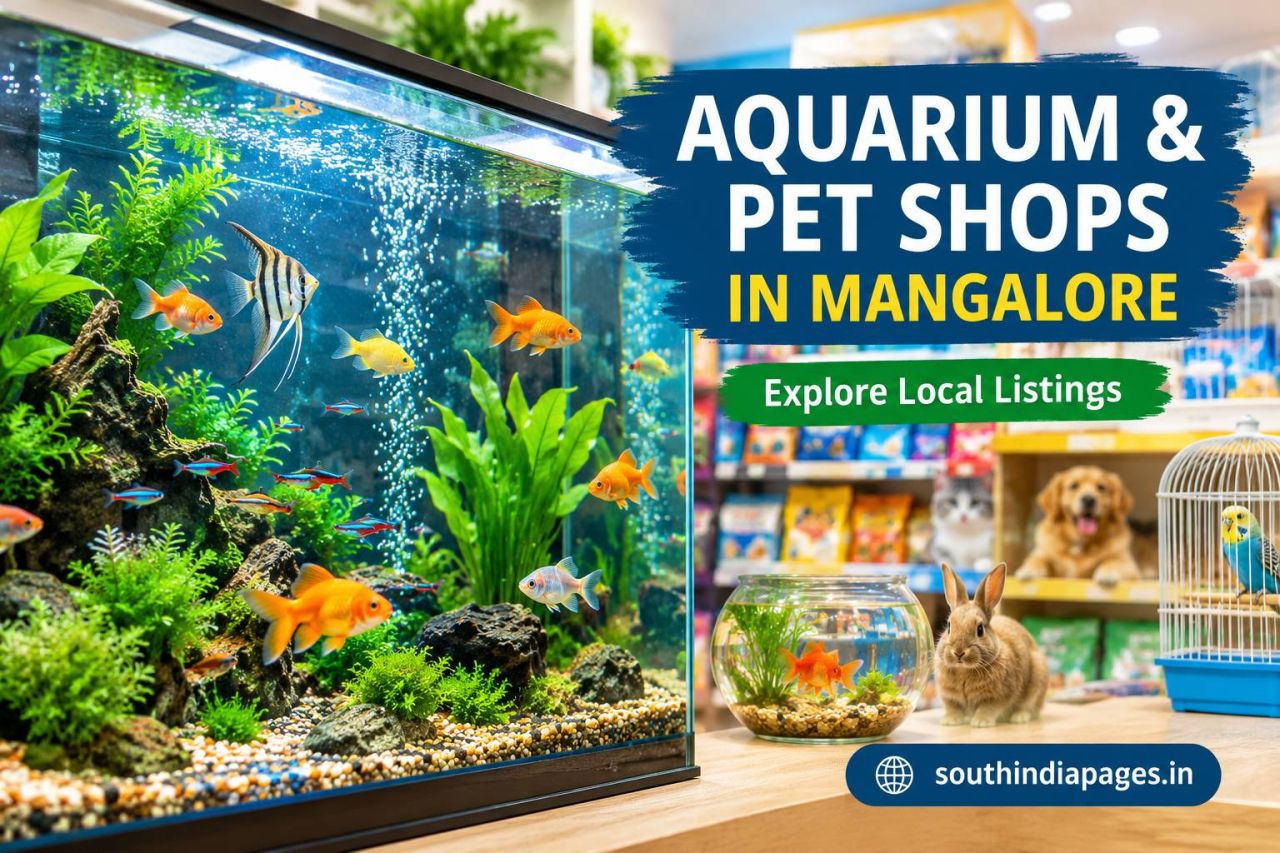
Aquarium: A Beautiful World of Underwater Life
An aquarium is a special place where people can explore and enjoy the beauty of underwater life. It is a glass tank or a large water-filled space where different types of fish, aquatic plants, and other water creatures are kept. Aquariums allow us to observe marine life closely and learn about the amazing world beneath the water. They are popular among children, families, nature lovers, and tourists.
Aquariums can be found in homes, schools, offices, hotels, restaurants, and public attractions. Some are small enough to fit on a table, while others are huge buildings with large underwater tanks and fascinating marine animals.
Different Types of Aquariums
There are different types of aquariums based on the kind of water and aquatic life they contain.
1. Freshwater Aquarium
A freshwater aquarium contains fish and plants that live in freshwater. It is one of the most common types of aquariums. Popular freshwater fish include goldfish, guppies, mollies, angelfish, and betta fish. These aquariums are suitable for beginners because many freshwater fish are relatively easy to care for.
2. Saltwater Aquarium
A saltwater aquarium contains marine creatures that live in oceans and seas. It may include colourful tropical fish, sea anemones, corals, and other marine organisms. Saltwater aquariums are beautiful but require special equipment and careful maintenance to maintain the correct water conditions.
3. Planted Aquarium
A planted aquarium is designed with different types of aquatic plants, rocks, and decorative materials. It creates a natural underwater environment for fish. Green aquatic plants make the aquarium look fresh and attractive while providing shelter for fish.
4. Public Aquarium
Public aquariums are large facilities where visitors can see different aquatic animals and learn about marine ecosystems. They often have large glass tunnels, underwater viewing areas, educational displays, and special sections for different aquatic species.
Popular Fish Found in Aquariums
Aquariums are home to many beautiful and colourful fish. Some popular aquarium fish include:
- Goldfish: Famous for their golden-orange colour and attractive appearance.
- Betta Fish: Known for their beautiful flowing fins and bright colours.
- Guppies: Small, colourful fish that are popular among aquarium owners.
- Angelfish: Attractive freshwater fish with elegant shapes and fins.
- Molly Fish: Peaceful fish available in different colours.
- Neon Tetra: Small fish with bright blue and red stripes.
- Clownfish: Colourful saltwater fish made famous by their relationship with sea anemones.
Every fish has different needs, so it is important to understand its food, habitat, water temperature, and living conditions before keeping it in an aquarium.
Importance of Aquariums
Aquariums are not just decorative attractions. They also provide several educational and environmental benefits.
First, aquariums help people understand aquatic life. Visitors can learn about different fish species, their habitats, feeding habits, and behaviour. Children especially enjoy watching fish swim and discovering how underwater ecosystems work.
Second, aquariums create awareness about marine conservation. Many aquatic species are affected by water pollution, climate change, habitat destruction, and overfishing. Public aquariums can educate visitors about these problems and encourage them to protect oceans, rivers, lakes, and other water bodies.
Third, watching fish swim peacefully can create a relaxing atmosphere. A beautiful aquarium at home or in an office can make the surroundings more pleasant and interesting.
Essential Equipment for an Aquarium
A healthy aquarium needs proper equipment to provide a comfortable environment for fish.
Water Filter: A filter removes waste, leftover food, and other impurities from aquarium water. It also supports beneficial bacteria that help maintain water quality.
Air Pump: An air pump helps circulate air through the water and can improve oxygen exchange.
Aquarium Light: Proper lighting helps people see the fish clearly and supports the growth of aquatic plants.
Heater: Some tropical fish need warm water. An aquarium heater helps maintain a suitable temperature.
Gravel and Decorations: Gravel, stones, plants, and safe decorations make the aquarium attractive and provide hiding places for fish.
Water Testing Kit: Testing kits help aquarium owners monitor important water conditions such as pH, ammonia, nitrite, and nitrate levels.
How to Maintain an Aquarium
Maintaining an aquarium is an important responsibility. Fish need clean water, suitable food, and a healthy environment to survive.
The aquarium should be cleaned regularly, and partial water changes should be carried out according to the needs of the fish. The filter must be maintained properly, and uneaten food should be removed to prevent water pollution.
Fish should be fed the correct type and quantity of food. Overfeeding can make the water dirty and unhealthy. It is also important not to overcrowd the aquarium because fish need enough space to swim comfortably.
Before adding new fish, check whether they are compatible with the existing species. Sudden changes in water temperature or quality should also be avoided.
Aquariums as Tourist Attractions
Large aquariums are popular tourist destinations around the world. They attract visitors with colourful fish, sharks, rays, turtles, jellyfish, and other fascinating aquatic creatures.
Some aquariums have underwater tunnels that allow visitors to walk through glass passages while fish swim around them. Others organise educational programmes, feeding demonstrations, and conservation activities.
These attractions offer an exciting experience for families and school children. They provide opportunities to learn about aquatic animals while enjoying a memorable outing.
Environmental Protection and Responsible Fishkeeping
Protecting aquatic life is everyone's responsibility. People should never release aquarium fish into rivers, lakes, or oceans because some species can become invasive and harm local ecosystems.
Aquarium owners should choose fish responsibly and avoid purchasing endangered or illegally collected species. They should also avoid keeping marine animals that require specialised care unless they can provide suitable conditions.
Keeping aquariums responsibly helps promote respect for aquatic animals and encourages people to understand the importance of protecting natural water habitats.
An aquarium is a wonderful combination of beauty, education, and nature. It brings the fascinating underwater world closer to us and allows us to observe colourful fish and aquatic plants. Whether it is a small home aquarium or a large public aquarium, it can provide enjoyment and valuable learning experiences.
However, keeping an aquarium is also a responsibility. Fish need clean water, proper food, enough space, and a suitable environment. By caring for aquatic animals and protecting natural water resources, we can appreciate the beauty of underwater life and help preserve it for future generations.
Aquarium & Pet Shop in Mangalore